The Hidden Costs of Not Using a Commercial Dehumidifier
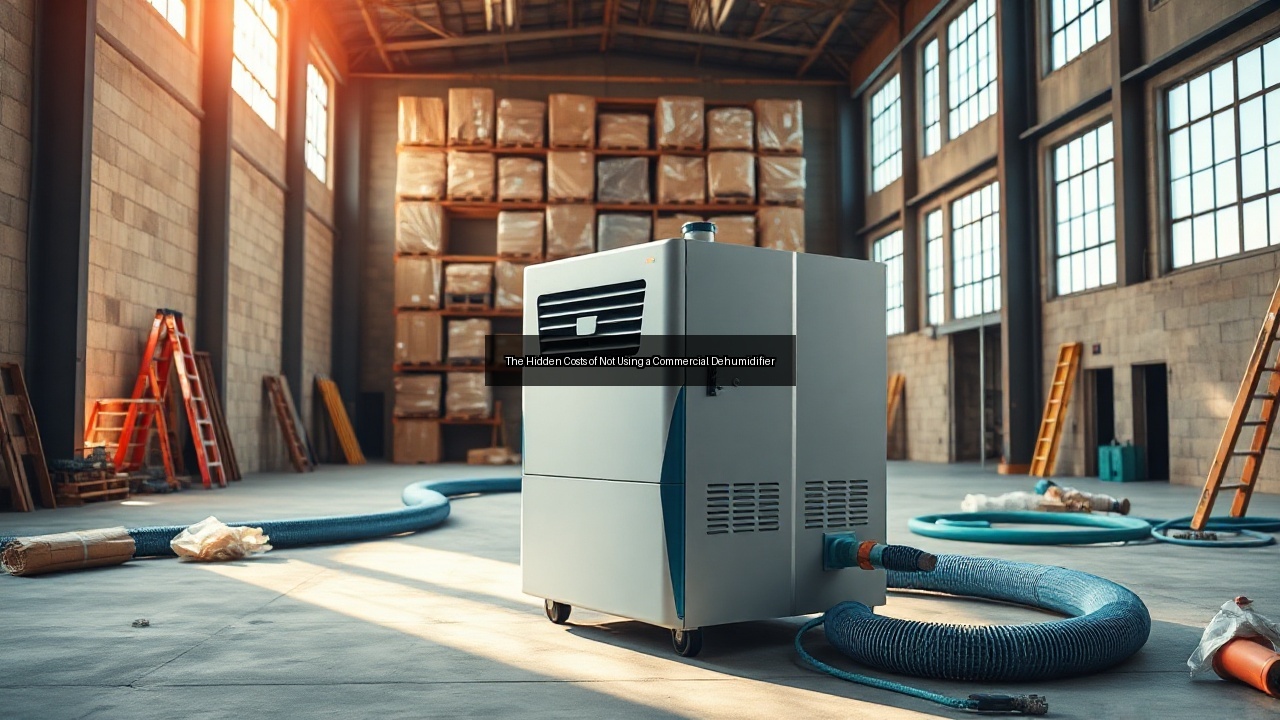
Understanding Commercial Dehumidifiers and Their Importance
What is a Commercial Dehumidifier?
A commercial dehumidifier is a powerful appliance designed to reduce humidity levels in large spaces such as warehouses, spas, and construction sites. Unlike residential dehumidifiers, commercial units possess higher capacity and efficiency, making them suitable for environments that experience significant moisture buildup. These dehumidifiers work by extracting excess moisture from the air, preventing issues related to high humidity, such as mold growth and structural damage. Businesses across various industries rely on these units commercial dehumidifier unit to maintain optimal humidity levels, ensuring a safe and comfortable atmosphere for employees and customers alike.
How Does a Commercial Dehumidifier Work?
Commercial dehumidifiers operate through a straightforward yet effective process. They draw in humid air through a fan, passing it over a set of cold coils. As the air cools, moisture condenses on the coils and drips into a collection tank or is expelled through a hose. The dry air then re-enters the space, effectively lowering humidity levels. This cycle continues until the desired humidity percentage is reached. The efficiency of this process is often measured in pints of moisture removed per day and cubic feet per minute (cfm) of air processed, making it crucial to select a unit that meets the specific requirements of your space.
The Role of Pints and CFM in Dehumidification
Understanding the metrics of pints and cfm is essential for selecting the right commercial dehumidifier. The term "pints" refers to the amount of moisture a dehumidifier can remove from the air in 24 hours. For example, a unit that extracts 70 pints per day is ideal for medium to large spaces with ongoing moisture problems. Meanwhile, cfm measures the volume of air the dehumidifier can process each minute. A higher cfm rating means more air circulates through the unit, enhancing its efficiency in moisture removal. Together, these metrics help in determining if a dehumidifier will effectively manage humidity in a given space.
The Hidden Costs of Skipping a Commercial Dehumidifier
Increased Risk of Mold and Mildew
Neglecting to use a commercial dehumidifier can lead to a significant increase in moisture levels, creating an ideal environment for mold and mildew to thrive. These fungi can grow rapidly in damp conditions, compromising air quality and posing health risks to occupants. Mold can damage dehumidifiers for commercial property and require costly remediation efforts. Moreover, mold spores can spread quickly, leading to widespread contamination in a building. By investing in a commercial dehumidifier, businesses can prevent these costly and hazardous mold-related issues, ensuring a healthier environment for everyone involved.
Impact on HVAC Systems and Energy Efficiency
Failing to control humidity effectively can place an additional burden on HVAC systems. High humidity levels force HVAC units to work harder to maintain comfortable temperatures, leading to increased energy consumption and higher utility bills. This added strain can shorten the lifespan of HVAC equipment, resulting in expensive repairs or replacements. Commercial dehumidifiers not only alleviate this burden by managing humidity independently but also enhance overall energy efficiency. Proper humidity control ensures HVAC systems operate optimally, reducing energy costs and extending the life of the equipment.
Long-Term Damage to Spaces like Warehouses and Spas
The consequences of ignoring humidity control extend beyond mold and HVAC inefficiencies. In spaces like warehouses, excess moisture can lead to product damage, spoilage, and significant financial loss. For spas, the combination of heat and humidity can create an uncomfortable experience for patrons, leading to decreased customer satisfaction. Furthermore, materials such as wood, drywall, and insulation can suffer from deterioration due to prolonged exposure to moisture. Investing in a commercial dehumidifier prevents these long-term damages, protecting both property and profit margins.
Key Features and Benefits of Using a Commercial Dehumidifier
Energy Star Ratings and Their Importance
Energy efficiency plays a crucial role when selecting a commercial dehumidifier. Units that carry the Energy Star rating meet strict energy efficiency guidelines set by the U.S. Environmental Protection Agency. These models not only consume less energy but also provide significant savings on utility bills over time. Choosing an Energy Star-rated commercial dehumidifier ensures optimal performance without sacrificing energy consumption, making it a smart choice for businesses looking to minimize operating costs while maintaining a comfortable environment.
Understanding Pump and Hose Systems
Commercial dehumidifiers often come equipped with pump and hose systems for efficient moisture removal. A built-in pump allows the unit to automatically expel collected water to a nearby drain, eliminating the need for manual emptying of the tank. Alternatively, hose systems can be set up to continuously drain excess water, providing uninterrupted operation. These features are particularly beneficial in high-humidity environments, where constant moisture removal is necessary. Understanding these systems helps businesses select the right dehumidifier for their specific needs, ensuring seamless operation.
The Importance of Air Flow and Humidity Control
Effective air flow and humidity control are critical factors in the performance of commercial dehumidifiers. A unit with a high cfm rating will circulate air throughout the space, allowing for rapid moisture removal and maintaining consistent humidity levels. Additionally, many commercial dehumidifiers offer adjustable humidity settings, enabling users to customize moisture levels based on specific requirements. This level of control ensures that spaces remain comfortable and safe, which is particularly important in environments like spas and warehouses, where humidity can fluctuate significantly.
Choosing the Right Commercial Dehumidifier
Factors to Consider: Size, Capacity, and Sound Pressure Level
Selecting the right commercial dehumidifier involves careful consideration of size, capacity, and sound pressure level. The size of the unit should match the dimensions of the space it will serve, ensuring efficient moisture removal. Capacity, measured in pints, indicates how much moisture the unit can handle in a 24-hour period. Businesses must assess their humidity levels and choose a model that meets their specific needs. Additionally, sound pressure level is an important factor, especially in environments like spas or offices where noise can disrupt activities. Opting for a quieter unit ensures a comfortable atmosphere for all occupants.
The Benefits of Investing in a Quality Unit
Investing in a high-quality commercial dehumidifier pays off in the long run. A well-constructed unit offers durability, reliability, and long-term performance, reducing the likelihood of breakdowns and repair costs. Quality dehumidifiers also often come with better energy efficiency ratings, leading to lower operating expenses. Businesses that choose to invest in a reputable brand or model can expect enhanced moisture control, improved air quality, and protection against the detrimental effects of high humidity. This not only safeguards physical assets but also contributes to a healthier environment for employees and customers.
Common Mistakes to Avoid When Selecting a Dehumidifier
Several common mistakes can hinder the effectiveness of a commercial dehumidifier. One major error is underestimating the required capacity. Businesses should accurately assess their space and humidity levels to avoid choosing a unit that is too small. Another mistake is overlooking energy efficiency; opting for the cheapest option may lead to higher operating costs in the future. Additionally, neglecting to consider the installation requirements can result in operational challenges. By avoiding these pitfalls and conducting thorough research, businesses can select the perfect commercial dehumidifier to meet their needs effectively.