Exploring the Versatility of CNC Machined Plastic Components
Exploring the Versatility of CNC Machined Plastic Components
Overview of CNC Machining Technology
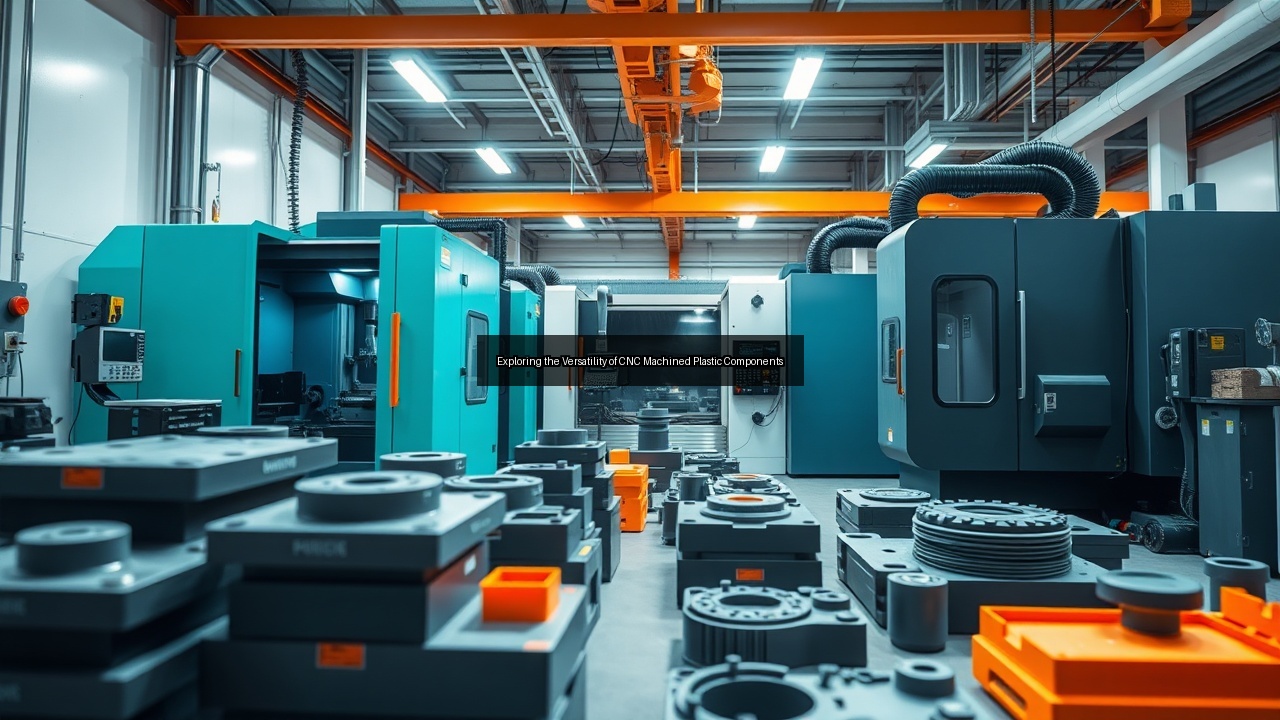
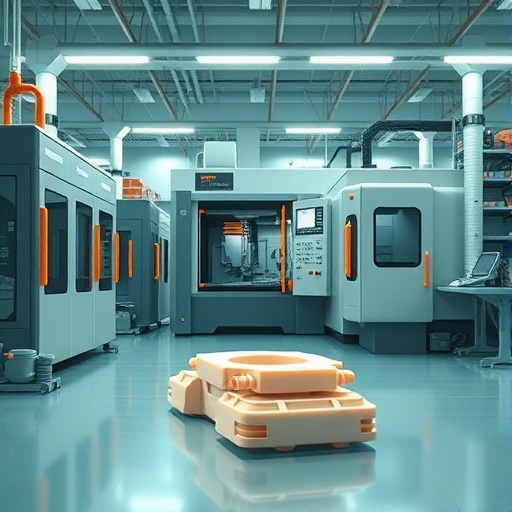
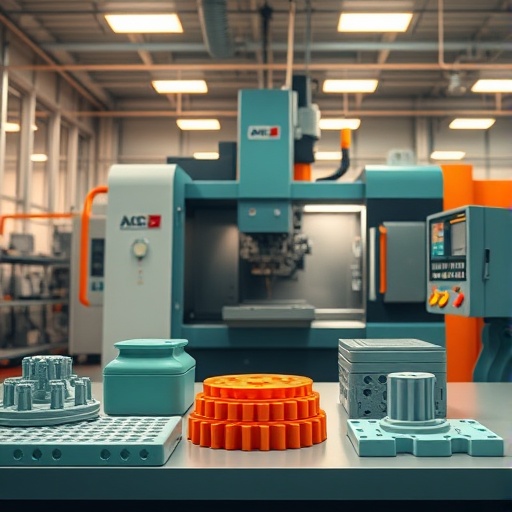
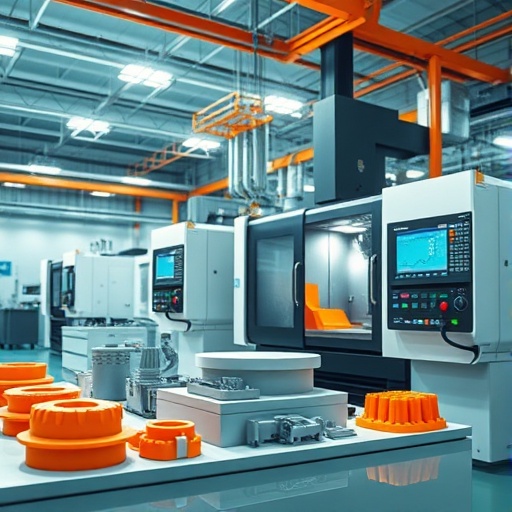
CNC machining technology drives the creation of precise machined plastic components through computer-controlled tools that cut and shape raw plastic stock. A machinist programs cnc machinery to follow exact paths, removing material layer by layer until the part matches the digital model. This process handles intricate geometries that traditional methods cannot achieve efficiently. Manufacturers rely on it for prototypes and production runs because it delivers consistent results across multiple units without extensive tooling changes. Modern cnc machinery incorporates high-speed spindles and multi-axis capabilities that shorten cycle times while maintaining tight control over every cut.
At its core, the workflow begins with CAD modeling, followed by CAM software translation into G-code that dictates tool movements, spindle speeds, and coolant application. Three-, four-, and five-axis mills, as well as CNC lathes, enable simultaneous contouring of complex surfaces such as undercuts, threads, and freeform shapes in plastics like acetal or polycarbonate. Real-time feedback from encoders and probes compensates for thermal expansion or tool wear, ensuring repeatability within microns even during long unattended runs.
Importance of Machined Plastic in Modern Manufacturing
Machined plastic components play a central role in modern manufacturing by offering durable alternatives to metal parts in many assemblies. Engineers specify these components when weight reduction and chemical resistance matter more than extreme tensile strength. Plastic machined components withstand corrosive environments that would degrade steel or aluminum quickly. Companies integrate them into equipment frames, housings, and functional mechanisms because the material machines cleanly and accepts secondary operations such as threading or engraving. Their versatility supports rapid design iterations that keep production schedules on track.
Beyond substitution, machined plastics enable hybrid assemblies where metal inserts are over-machined into plastic bodies for localized strength. This approach reduces galvanic corrosion risks and simplifies supply chains by consolidating multiple parts into single machined units. Lifecycle analyses show that switching to plastic often lowers energy consumption during both fabrication and end-use phases, particularly in transport-related applications.
Healthcare Industry
Hospitals and device makers depend on cnc machined plastic parts for surgical instruments, diagnostic equipment enclosures, and implantable trial components. The process produces smooth surfaces that resist bacterial adhesion and clean easily under sterilization protocols. Machinists select biocompatible grades that maintain dimensional stability after repeated autoclave cycles. Plastic cnc machined components appear in MRI-compatible fixtures and custom prosthetics because they generate no magnetic interference. Manufacturers deliver these parts with traceability documentation that meets regulatory standards for medical devices.
Common choices include PEEK and PPSU for their resistance to gamma sterilization and hydrolysis. CNC milling creates patient-specific guides for orthopedic procedures by importing CT-scan data directly into toolpaths, achieving sub-millimeter accuracy. Post-machining passivation and ultrasonic cleaning remove particulates, supporting ISO 13485 quality systems and FDA 21 CFR Part 820 compliance.
Automotive Sector
Automotive engineers integrate machined plastic components into intake manifolds, sensor housings, and interior trim pieces that require tight tolerances under vibration and temperature swings. CNC machining allows quick production of gear shift knobs, dashboard inserts, and fluid reservoirs without the lead time of injection molds. Plastic machined parts reduce overall vehicle weight, improving fuel efficiency while preserving structural integrity. Suppliers run batch production of these components on five-axis cnc machinery to match the complex contours demanded by aerodynamic designs.
In electric vehicles, low-density plastics such as glass-filled nylon replace aluminum brackets around battery packs, aiding thermal management and crash-energy absorption. Machined prototypes undergo accelerated aging tests at -40 °C to 150 °C to validate long-term creep resistance before volume ramp-up.
Consumer Electronics
Smartphone casings, laptop frames, and wearable device mounts often start as cnc machined plastic components before final assembly. The process creates precise cutouts for ports, buttons, and camera lenses that align perfectly with internal electronics. Manufacturers achieve matte or gloss finishes directly on the machine, eliminating extra polishing steps. Machined plastic parts provide electromagnetic shielding when filled with conductive additives, protecting sensitive circuits from interference. Consumer electronics brands value the speed at which new designs move from CAD file to physical prototype.
Polycarbonate and ABS blends dominate due to impact strength and moldability, yet CNC allows micro-texturing for improved grip without secondary etching. Rapid iteration supports compressed product cycles, with first-article inspection completed in days rather than weeks.
Aerospace Applications
Aerospace teams specify cnc machined plastic components for cabin interiors, ducting systems, and non-structural brackets that must meet strict flammability and weight requirements. The machining process handles high-performance materials that retain strength at altitude while resisting jet fuel exposure. Machinists program cnc machinery to hold tolerances measured in thousandths of an inch across large panels. These plastic machined components undergo rigorous inspection before installation because every gram saved translates to lower operating costs over the aircraft service life.
Materials such as PEI and PEEK meet FAR 25.853 flammability standards and are machined with diamond tooling to avoid delamination. Digital thread traceability from raw stock to finished part supports AS9100D certification demanded by OEMs.
Precision in Dimensions and Tolerances
Precision defines successful machined plastic components, with cnc machinery routinely holding dimensions within ±0.001 inches across production lots. Operators verify tolerances using coordinate measuring machines after each setup, adjusting tool offsets to keep parts within specification. This accuracy allows plastic machined components to drop directly into assemblies without secondary fitting. Engineers document every critical dimension on drawings so the manufacturer can replicate results on future orders. Consistent tolerances reduce scrap rates and keep assembly lines moving smoothly.
Advanced implementations incorporate on-machine probing and statistical process control charts, flagging drift before out-of-tolerance parts are produced. GD&T callouts for flatness and true position guide fixture design, while humidity-controlled environments mitigate moisture absorption effects in hygroscopic resins.
Lightweight Nature of Plastics
The inherent low density of plastics gives machined plastic components a clear advantage when mass reduction drives design choices. Engineers replace heavier metal pieces with plastic equivalents that cut overall system weight by 30 to 50 percent in many cases. This change improves handling for handheld tools and extends range for battery-powered equipment. CNC machining preserves the strength-to-weight benefits by removing only the necessary material while leaving reinforcing ribs and bosses intact. Lightweight plastic machined parts also lower shipping expenses across global supply chains.
Cost-Effectiveness in Batch Production
Batch production of cnc machined plastic components becomes economical once the initial programming and fixturing are complete. A single setup can produce dozens or hundreds of identical parts with minimal operator intervention. Manufacturers amortize tooling costs over the run, keeping per-piece prices competitive with molded alternatives for medium volumes. Plastic machined components avoid the high upfront mold expenses that injection molding demands, making short runs practical. Companies schedule repeat orders on the same cnc machinery to maintain pricing stability.
Engineering Plastics vs. Standard Plastics
Engineering plastics such as PEEK, Delrin, and nylon deliver higher mechanical performance than standard options like polyethylene or acrylic when machined plastic components face load or wear. These advanced materials retain dimensional stability under heat and chemicals that would distort commodity grades. Machinists adjust feed rates and coolant strategies to handle the different chip formation characteristics of each family. Manufacturers stock both categories so they can match material specifications exactly to application demands without over-engineering every part.
Utilizing Composites in CNC Machining
Composites combine plastic resins with glass or carbon fibers to increase stiffness and strength in machined plastic components. CNC machinery equipped with diamond-coated tools machines these materials cleanly while minimizing fiber pull-out. Engineers specify composites for brackets and structural clips that must resist flexing yet remain lighter than aluminum. Proper fixturing prevents delamination during aggressive cuts. The resulting plastic machined components serve in high-performance sporting goods and industrial automation frames.
Surface Finishing and Treatment Options
Surface finishing transforms raw machined plastic components into ready-to-use parts through sanding, polishing, or bead blasting. Manufacturers apply surface treatment such as plasma etching or vapor smoothing to improve paint adhesion or reduce friction. These steps occur after the cnc machinery completes the primary cuts. Machinists select finishing methods based on the final function, whether the part needs optical clarity or a textured grip. Proper surface treatment extends service life by sealing micro-cracks that could otherwise propagate.
Advancements in CNC Machinery
Recent advancements in cnc machinery include faster controllers, automated tool changers, and in-process probing that verify dimensions without stopping production. These upgrades allow manufacturers to produce complex plastic cnc machined components in fewer setups. New spindle designs maintain higher speeds on engineering plastics without overheating the material. Companies invest in these machines to shorten lead times while improving repeatability across every batch of machined plastic parts.
Integration of Robotics in Plastic Fabrication
Robotics integrated with cnc machinery load and unload plastic stock automatically, keeping the spindle running during shift changes. A robot positions raw material into custom fixtures and removes finished machined plastic components for inspection or secondary operations. This automation reduces handling damage and frees skilled machinists for programming and quality tasks. Plastic fabrication cells that combine robotics with cnc machining achieve higher throughput while maintaining the precision customers expect from machined plastic parts.
Sustainable Practices in Manufacturing
Sustainable practices in plastic fabrication now include recycling machining chips back into new stock and selecting bio-based resins for certain machined plastic components. Manufacturers optimize tool paths to minimize waste material and energy consumption during long runs. CNC machinery equipped with efficient motors and mist collection systems lowers the environmental footprint of each part produced. Companies track material usage metrics to identify further reductions without compromising the quality of plastic machined components.